
Arezzo in one day with Poggio del Drago

Arezzo, in the heart of Tuscany, is a city with Etruscan roots and a rich history ranging from the Middle Ages to the Renaissance. Through a one-day itinerary, you can discover architectural wonders such as the Cathedral of Saints Peter and Donato, which houses priceless works of art such as "La Maddalena" by Piero della Francesca. The Basilica of St. Francis is famous for its frescoes of "The Legend of the True Cross," while the National Museum of Medieval and Modern Art offers an artistic overview from the Middle Ages to the Renaissance. Significant areas also include the birthplace of Francesco Petrarca and the House Museum of Giorgio Vasari. Piazza Grande, the heart of Arezzo's social life, hosts historic events such as the Saracen Joust. Concluding with Prato Park, Arezzo offers a complete immersion in Tuscan history, art and culture.
Arezzo in one day: what to see and how to plan your visit
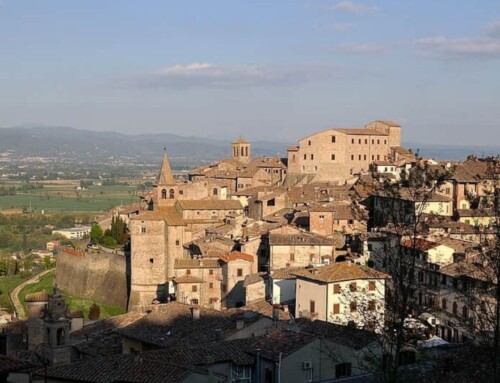
Arezzo is one of the most authentic art cities in Toscana, capable of telling more than two thousand years of history through its streets, squares and monuments. Founded by the Etruscans and developed during the Roman era, the city reached its greatest splendor between the Middle Ages and the Renaissance, becoming an important cultural and artistic center. Even today, while walking through the historic center, this layering is clearly visible: medieval towers, Romanesque churches, Renaissance palaces and panoramic views follow one another harmoniously, creating a unique atmosphere.
Despite its historical and artistic heritage, Arezzo maintains a more intimate and livable character than other Tuscan cities, making it perfect for a one-day visit. The center rises on a hill and can easily be explored on foot, following an itinerary that links the main points of interest without the need for long journeys. This allows you to experience the city at a pleasant pace, alternating cultural visits with moments of pause among artisan shops, cafés and panoramic views.
Staying nearby, such as at B&B Country House Poggio del Drago, allows you to reach Arezzo in just a few minutes and organize the visit flexibly, avoiding traffic while at the same time enjoying the tranquility of the Tuscan countryside. In this article we offer you a clear and optimized itinerary to discover what to see in Arezzo in one day, without missing the most significant stops.

The must-see stops in Arezzo in one day
If you only have one day available, planning the route well is essential so you do not miss the city’s most representative places. Arezzo is perfectly suited to a walking itinerary: distances are limited and the main points of interest are concentrated in the historic center, allowing for a smooth visit without complex travel.
Here are the must-see stops to include in your itinerary in Arezzo in one day:
- Piazza Grande, the medieval heart of the city
- Basilica di San Francesco, with the frescoes by Piero della Francesca
- Cattedrale dei Santi Pietro e Donato, located in the upper part
- Chiesa di Santa Maria della Pieve, a symbol of Romanesque architecture in Arezzo
- Palazzo della Fraternità dei Laici, with its famous astronomical clock
- Casa Museo di Giorgio Vasari, a frescoed Renaissance residence
- Casa del Petrarca, linked to the poet’s origins
- Museo Nazionale d’Arte Medievale e Moderna, rich in Tuscan works
- Fortezza Medicea and Parco del Prato, for a panoramic break
- Anfiteatro Romano, a testimony to ancient Arezzo
These stops represent the best the city can offer in just one day, combining art, history and evocative views. In the next paragraphs we will explore each place in detail to help you build a clear and effective itinerary.
Arezzo: a city between the Etruscans and the Renaissance
The history of Arezzo has its roots in the Etruscan era, when it was known as Arretium and was one of the most important centers in central Italy. Thanks to its strategic position between the north and the south of the peninsula, the city later became a key hub during the Roman era as well, developing as an important commercial and cultural center.
During the Middle Ages, Arezzo experienced a period of great vitality, marked by political conflicts but also by strong urban and artistic growth. The towers, the walls and the very structure of the historic center still bear witness to this period today. It was during the Renaissance, however, that the city reached one of its highest moments, becoming the homeland of artists and intellectuals who left a deep mark on Italian history.
Among them stand out Francesco Petrarca, considered the father of Humanism, and Giorgio Vasari, a central figure of Renaissance art and the author of the famous “Lives”. Alongside them, Piero della Francesca helped make Arezzo a reference point for fifteenth-century painting.
Today this historical layering is still perfectly readable: every corner of the city tells of a different era, making a visit to Arezzo a true journey through time.
Why start from Poggio del Drago to visit Arezzo
Choosing a base outside the historic center is often the best solution for visiting Arezzo comfortably and without stress. B&B Country House Poggio del Drago, immersed in the Tuscan countryside just a few minutes from the city, allows you to reach the center quickly and begin the itinerary without difficulties related to traffic or parking.
This location allows you to experience the visit with greater freedom: you can organize the day according to your own schedule, dedicating the central hours to exploring Arezzo and then returning to a quieter and more relaxed setting. After a day spent among museums, churches and squares, returning to a property surrounded by greenery offers a completely different experience compared to staying in the city.
Poggio del Drago therefore represents a point of balance between accessibility and quality of stay: on the one hand the proximity to the main attractions of Arezzo, on the other the possibility of enjoying silence, open spaces and an authentic atmosphere, elements that complete the journey by making it more pleasant and sustainable in pace.

Walking itinerary in the historic center of Arezzo
Visiting Arezzo in one day is absolutely feasible, especially by choosing a walking itinerary that unfolds along the streets of the historic center. The city is built on a hill and is ideally divided between a lower part, more modern and dynamic, and an upper part, where the main monuments, historic squares and most representative buildings are concentrated.
The route can begin from the station area or from one of the car parks located on the edges of the center, and then gradually climb toward the medieval heart of the city. Walking along the main streets, such as Corso Italia, you pass through authentic views, artisan shops, small stores and historic cafés, until you reach the most iconic squares.
The itinerary is designed to be smooth and uninterrupted: each stop connects naturally with the next, allowing you to discover Arezzo step by step, without the need for transport. In this way it is possible to alternate cultural visits with more relaxed moments, experiencing the city in a complete way but without rushing. In the next paragraphs we go into the details of each stop, following a logical route that will guide you through the things to see in Arezzo in one day.
Piazza Grande and the medieval heart of Arezzo
The ideal starting point for visiting Arezzo is Piazza Grande, one of the most characteristic urban spaces in Toscana and the true center of the city’s historic life. The square immediately stands out for its irregular and sloping shape, with a difference in level that makes it unique of its kind and gives it a strong scenic impact.
Around the square stand buildings from different periods, which tell the architectural evolution of Arezzo: from the medieval tower houses to the elegant Logge Vasariane, designed by Giorgio Vasari in the sixteenth century. This mix of styles creates a fascinating visual balance, where every detail helps define the city’s identity.
Piazza Grande is not only a place to observe, but a place to experience. Historic events such as the Giostra del Saracino and the famous antiques market take place here, periodically bringing life to the entire historic center. Even in quieter moments, the square maintains an authentic atmosphere, made up of views, small venues and open spaces that invite you to stop and look around.
Stopping in the center of the square and looking around is one of the best ways to begin to understand Arezzo: from here you can clearly sense the connection between past and present, between architecture and everyday life, that makes the city so recognizable and interesting to explore.
Basilica di San Francesco and the frescoes by Piero della Francesca
Just a few steps from Piazza Grande stands Basilica di San Francesco, one of the most important stops for anyone visiting Arezzo in one day. The exterior of the church is simple and essential, almost austere, but it is precisely inside that one of the greatest masterpieces of Renaissance painting is hidden.
The Cappella Bacci preserves the famous fresco cycle of the “Legend of the True Cross”, created by Piero della Francesca between 1452 and 1466. It is a work of extraordinary artistic importance, in which perspective, light and composition reach a balance that profoundly influenced the history of art. The scenes recount episodes linked to the wood of Christ’s cross, weaving together religious narrative and pictorial innovation.
A visit to the basilica requires a little time and attention: the frescoes are not only to be observed, but to be read, following the story that develops along the walls. For this reason, it is considered one of the most significant experiences of the entire itinerary, especially for those interested in Renaissance art and culture.
Including this stop in your route means coming into direct contact with one of the highest moments of Italian painting, making the visit to Arezzo not only pleasant, but also deeply immersive from a cultural point of view.

Duomo, Pieve and the religious symbols of the city
Continuing the itinerary toward the upper part of the historic center, you encounter some of the main religious buildings of Arezzo, which tell the architectural and spiritual evolution of the city. The most imposing is the Cattedrale dei Santi Pietro e Donato, known as the Duomo di Arezzo, situated in a commanding position. Its construction, begun in the thirteenth century and completed in the following centuries, combines Gothic elements and more recent interventions. Inside are works of great value, including the “Maddalena” by Piero della Francesca and the evocative stained-glass windows created by Guillaume de Marcillat, which help create a bright and engaging atmosphere.
Going back down toward the center, you come to the Chiesa di Santa Maria della Pieve, one of the most representative examples of Romanesque architecture in Toscana. Its façade is characterized by an orderly series of columns and arches, while the bell tower, known as “delle cento buche”, is one of the most recognizable elements of Arezzo’s skyline. The interior, more sober, preserves important works such as the polyptych by Pietro Lorenzetti.
To complete this route, you can include the Museo Diocesano, located next to the Duomo, which gathers paintings, sacred furnishings and testimonies of the local religious tradition. Visiting these places allows you to grasp not only the artistic value of the buildings, but also the central role that the religious dimension played in the city’s development over the centuries.
Vasari, Petrarca and the museums: the cultural face of Arezzo
Arezzo is not only a city of monuments, but also a place deeply linked to the history of Italian culture, thanks to the figures who were born or lived here. Among the most interesting stops on the itinerary are the Casa Museo di Giorgio Vasari and the house of Francesco Petrarca, two places that make it possible to come into direct contact with the thought and life of these central figures of the Renaissance and Humanism.
Casa Vasari, purchased by the artist in the sixteenth century, is a perfect example of a Renaissance residence decorated with frescoes created by Vasari himself and his pupils. The interior rooms tell not only of the aesthetic taste of the period, but also of the role of the artist as an intellectual and protagonist of the cultural scene of his time.
A short distance away stands Casa del Petrarca, a symbolic place linked to the birth of the poet and now home to the Accademia Petrarca. Even though the building has undergone transformations over the centuries, it retains strong historical value and represents a significant stop for understanding the origins of Italian Humanism.
To complete this cultural route, you can visit the Museo Nazionale d’Arte Medievale e Moderna, housed in a Renaissance palace, which preserves works by artists active between the Middle Ages and the modern age. This stop allows you to broaden your view of the city’s artistic evolution, offering a more complete vision of Arezzo’s cultural heritage.
Palazzo della Fraternità dei Laici and the astronomical clock
Overlooking Piazza Grande, Palazzo della Fraternità dei Laici is one of the most significant buildings in Arezzo from a historical and civic point of view. Built between the fourteenth and the sixteenth century, it represents a perfect synthesis of Gothic and Renaissance architecture, visible above all in the façade, which combines medieval elements with later interventions, including those attributed to Giorgio Vasari.
What makes this building truly unique is its famous astronomical clock, installed in the sixteenth century and still perfectly functional today. Unlike a normal clock, this complex mechanism does not indicate only the time, but also reproduces the movements of the sun and the moon, offering a symbolic representation of time and the universe according to the vision of the period. It is one of the very rare examples of its kind in Europe and the only one in Italy, a detail that often escapes a hurried visit but deserves attention.
The palace also houses an art collection and rooms open to visitors that recount the history of the Fraternity, one of the oldest institutions in the city. By going up to the upper floors, you can access the tower and the panoramic terrace, from which there is a privileged view of Piazza Grande and the rooftops of the historic center. Including this stop in the itinerary allows you to add a deeper level of interpretation of the city, going beyond the simple observation of spaces and grasping the connection between art, science and civic life in the history of Arezzo.

Fortezza Medicea and Parco del Prato: a panoramic pause over the city
After crossing the historic center and visiting the main monuments, an ideal stop to conclude the itinerary is the area of Fortezza Medicea and Parco del Prato. Located in the highest part of Arezzo, this area offers a different perspective on the city, more open and relaxed, perfect for a pause after cultural visits.
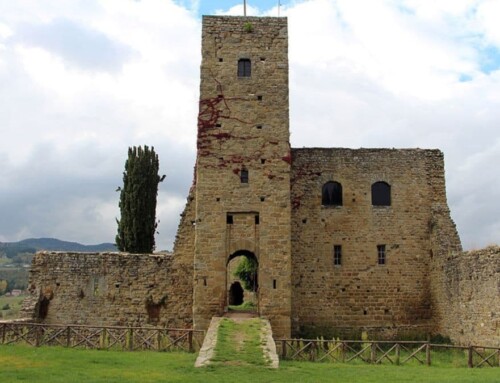
Fortezza Medicea, built in the sixteenth century at the will of the Medici, represents an important example of Renaissance military architecture. Its strategic position testifies to the control exercised by Florence over Arezzo and, even today, the structure preserves the charm of ancient fortifications. Although it cannot always be visited inside, its perimeter and outer walls are easily accessible and set within a very well-kept green context.
Parco del Prato, which surrounds the fortress, is one of the most pleasant places in the city for a walk. Among tree-lined paths, panoramic points and green areas, it offers evocative views over the valley and the rooftops of the historic center. It is the ideal place to slow the pace, sit for a few minutes and enjoy the landscape, especially in the late afternoon hours.
This stop adds a more experiential dimension to the visit to Arezzo: after art, history and architecture, contact with greenery and the panorama helps make the itinerary more balanced and complete.

Anfiteatro Romano and the ancient origins of Arezzo
To complete the itinerary and broaden your view of the city’s history, it is worth including a stop at Anfiteatro Romano, located in the lower part of Arezzo. Built between the first and second centuries AD, this imposing building testifies to the importance of Arezzo in the Roman era, when it was known as Arretium and represented a strategic center for trade and cultural activities.
Originally, the amphitheater could hold thousands of spectators and was used for public performances, games and celebrations.
Over the centuries, however, the structure was partly dismantled and reused as a quarry for materials for other city buildings. Today, its arches, elliptical shape and some sections of masonry remain visible, enough to restore its original grandeur and suggest the central role that this space had in Roman public life.
The amphitheater is set in a green area that makes the visit pleasant and easily accessible, also ideal for a short break during the day. Next to it is the Museo Archeologico Nazionale, housed in the former monastery of San Bernardo, which preserves Etruscan and Roman finds and makes it possible to further explore the city’s most ancient origins.
This stop adds a different dimension to the itinerary: after passing through the Middle Ages and the Renaissance, Anfiteatro Romano takes you back to the deepest roots of Arezzo, completing the route with an essential step for understanding the city’s historical evolution.
Other things to see in Arezzo if you have more time
If you have a few more hours available or would like to explore your visit in greater depth, Arezzo offers many other stops of great interest that deserve attention. Among these stands out Basilica di San Domenico, which houses the famous Crocifisso di Cimabue, one of the most important works of medieval Italian painting. Not far away are also the Santuario di Santa Maria delle Grazie, immersed in a quieter setting, and Palazzo Pretorio, recognizable by its façade decorated with the coats of arms of the city’s ancient families.
For those interested in more specific aspects of local history and culture, it is also worth considering the Museo dei Mezzi di Comunicazione and the Museo Archeologico Nazionale, which make it possible to explore periods and themes different from the main route. Finally, events such as the Giostra del Saracino or the famous antiques market add a further level of experience, making the visit even more engaging at certain times of the year.
These stops represent an excellent addition to the one-day itinerary and can transform a simple visit into a richer and more complete stay discovering Arezzo.
Where to stay to visit Arezzo in peace
To enjoy an itinerary in Arezzo in one day to the fullest, the choice of accommodation plays an important role. Staying in the surroundings of the city allows you to organize the visit more calmly, avoiding the more chaotic dynamics of the center while still maintaining quick access to the main attractions.
B&B Country House Poggio del Drago represents an ideal solution for those who want to combine convenience and quality of stay. Located just a few minutes from Arezzo, it makes it possible to reach the historic center easily, devote the day to the visit and then return to a more private environment, immersed in the typical landscape of the Tuscan countryside.
This choice is particularly advantageous for those seeking a more complete experience: not only the discovery of the city, but also moments of relaxation, silence and contact with the land. In this way, a visit to Arezzo does not end with a simple excursion, but becomes part of a broader and more pleasant stay.
Poggio del Drago: relaxation and a strategic position between Arezzo and the Tuscan art cities
In addition to its proximity to Arezzo, B&B Country House Poggio del Drago enjoys a particularly advantageous position for exploring a wider area of Toscana. In a short time it is possible to reach some of the most fascinating destinations in the region, alternating the visit to the city with excursions among historic villages and iconic landscapes.
Places such as Cortona, Montepulciano and Pienza offer panoramic views, well-preserved historic centers and a strong connection with the local food-and-wine tradition. In the same way, areas such as the Casentino or the Val d’Orcia allow you to immerse yourself in natural and landscape settings of great value, ideal for those who wish to extend their stay beyond the visit to Arezzo.
This position makes Poggio del Drago not only a perfect base for a one-day itinerary, but also a strategic point for building a more complete experience, discovering the most authentic Toscana.

Book your stay just a few minutes from Arezzo
If you are planning your visit and want to discover what to see in Arezzo in one day without giving up peace and comfort, choosing B&B Country House Poggio del Drago is a practical and balanced solution. Its proximity to the city allows you to move around easily, dedicating the necessary time to visits and then returning to a more relaxed environment.
Staying in the countryside means enjoying a more authentic Tuscan experience, with less hectic rhythms and the possibility of fully enjoying the Tuscan landscape. After a day among art, history and walks in the historic center, returning to a property immersed in greenery represents an added value that completes the trip.
To organize your stay in the best way, you can check availability and details directly here on the website of B&B Country House Poggio del Drago and plan your visit to Arezzo starting from a comfortable, strategic and well-connected base.